 +86 13717134343


The tablet industry long treated “industrial” as a niche suffix. That changed: as plants digitize MES, quality, and maintenance workflows, the industrial tablet is becoming the standard plant-floor control surface. Here is what that future looks like and what to buy into now.
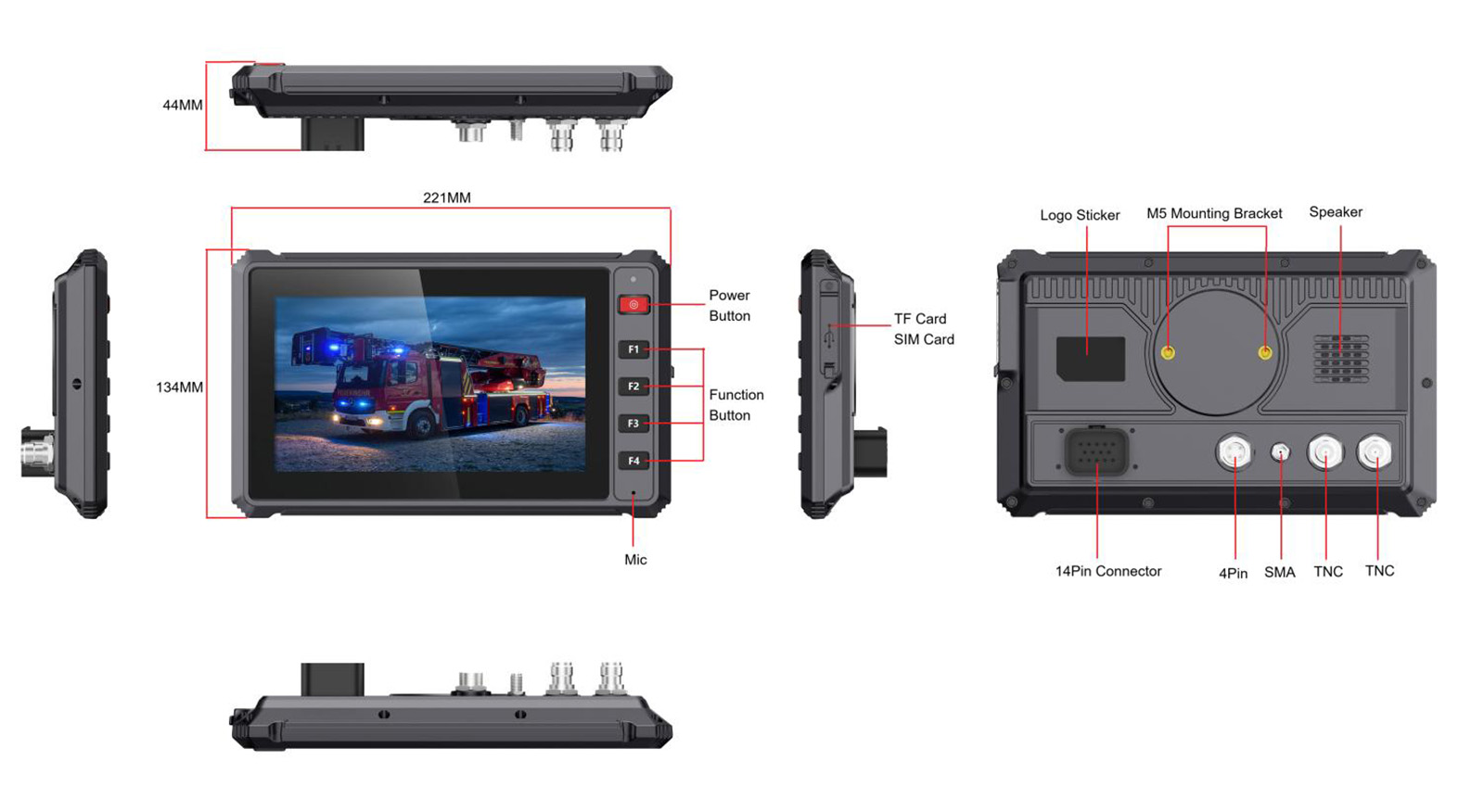
Why Manufacturing Standardizes on Tablets
- Mobility with authority: operators carry the same MES/ERP client they had at the desk, now at the machine.
- Paper elimination: checklists, SOPs, and quality forms digitized at the point of work.
- Inspection workloads: cameras, barcode/RFID, and offline caching fit tablet form perfectly.
The Hardware Direction
- Brightness and bonding: 1000-nit optical-bonded panels usable under plant lighting and loading docks.
- Sealing + disinfection: IP65+ and chemical-resistant surfaces for washdown and hygiene zones.
- Longevity: 5–7 year availability commitments, because plant systems outlive consumer cycles.
- Edge compute: local inference for vision-based checks without round trips to the cloud.
Deployment Patterns That Work
Start with one workflow (quality inspection or maintenance rounds), integrate with existing MDM/AD, then expand. Standardize docks at workstations so tablets become mobile terminals, not desk replacements.
What PDS Sees in the Field
PDS Technology supplies industrial tablets and vehicle-mount computers to manufacturers across Asia, Europe, and the Americas. The pattern is consistent: plants that treat the tablet as part of the machine — mounted, powered, standardized — capture the productivity gains. Plants that scatter consumer tablets in cases collect failures.
The future of manufacturing is mobile at the point of work. The best industrial tablet strategy is therefore boring on purpose: rugged, supported, integrated, and deployed one workflow at a time.